HOKA PRONATION GUIDE
Did you know that the majority of runners are wearing shoes that don't fit their running style? Wearing shoes that aren't the right match for you and how you run raises your risk of injury and even long-term problems. Therefore ensuring that you find the right shoe for you is critical.
One of the keywords you'll see coming up again and again when it comes to your running style is pronation. So what is pronation in the foot, why does it matter, what are the different types of pronation and how can you be sure you're choosing the right shoes for you? Find out more in our pronation guide below.
What is pronation of the foot and why does it matter?
The meaning of pronation is the natural movement of the foot and ankle that occurs during running or walking. Pronation is a combination of several movements that work together to help absorb shock and distribute the forces generated when the foot makes contact with the ground during each step. These movements are heel strike, midstance and push-off. Depending on your running and walking style, pronation types can differ. Find out what pronation style you have below.
SUPINATION vs NEUTRAL vs OVERPRONATION
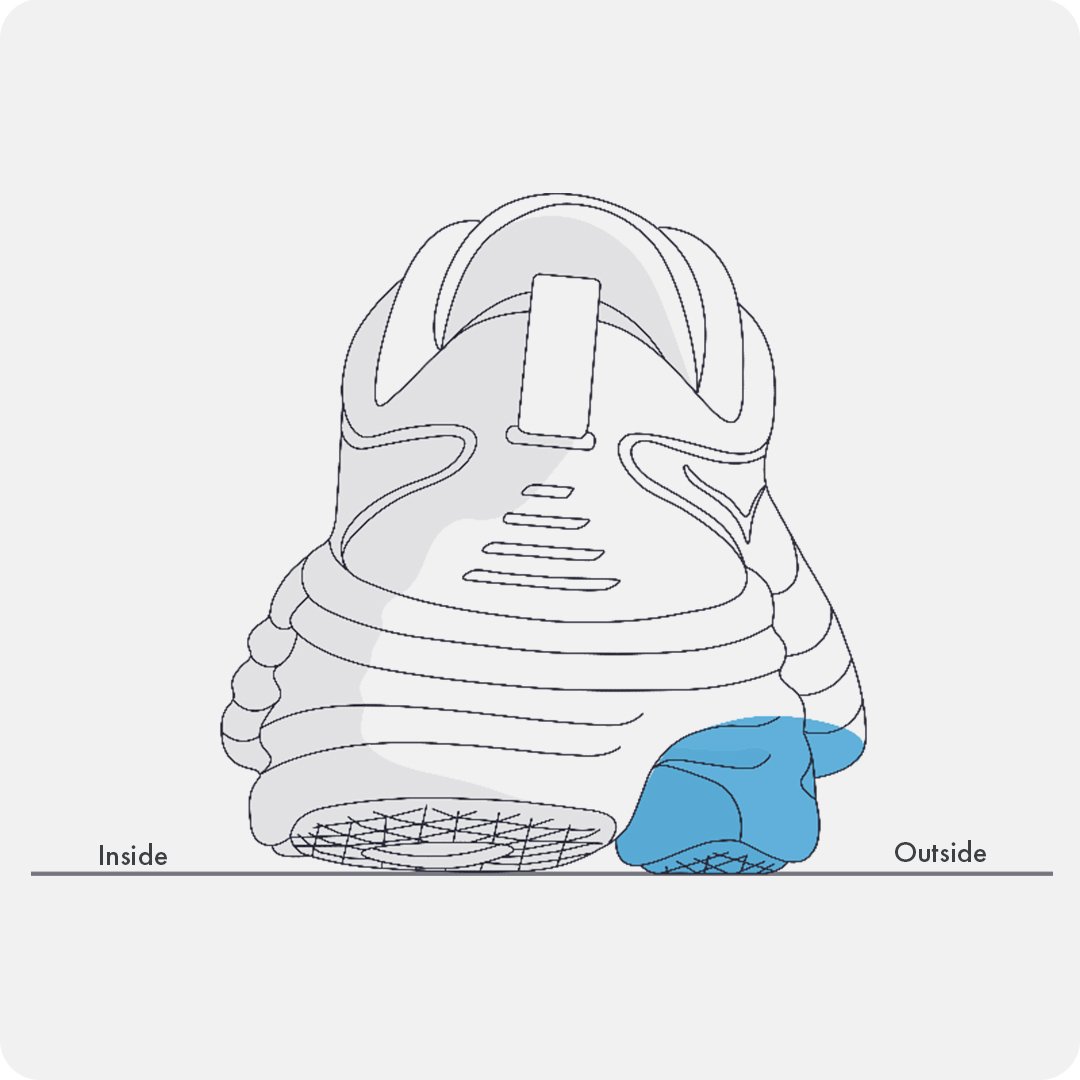
UNDERPRONATION
Also known as supination, underpronation means you land on the outside of the heel with minimal rolling, meaning your lower leg/ankle absorbs the majority of the impact. Runners with underpronation running types are more likely to have high arches. To avoid underpronation and supination, opting for a shoe with maximal cushioning is likely to help mitigate some of the impact of your foot.
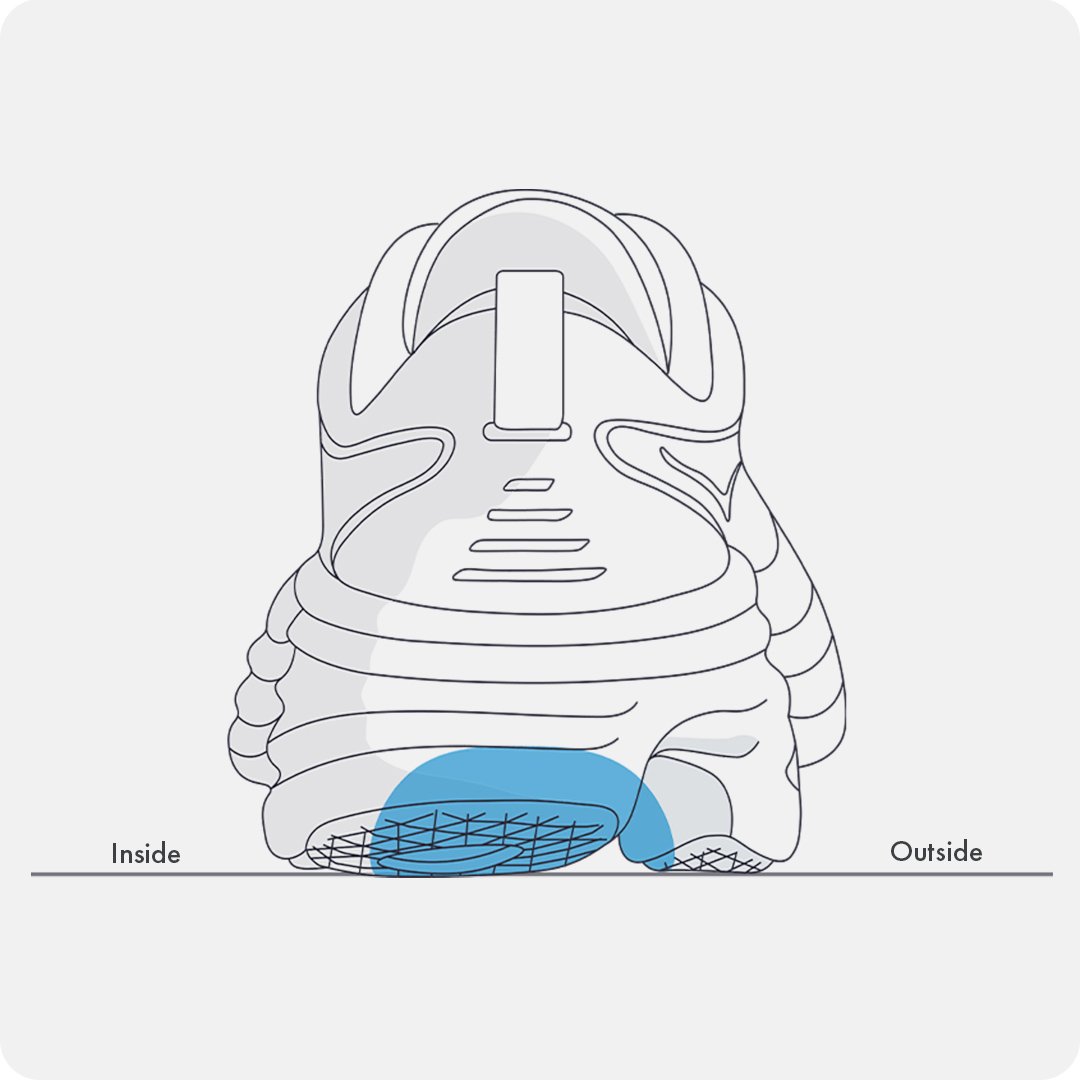
NEUTRAL
If you have neutral pronation in running, this means that you land on the outside of the heel and then roll inwards to distribute impact and weight more evenly across the foot. This style of running is less likely to cause injuries as the shock is spread and less strain is placed on small parts of the foot and leg.
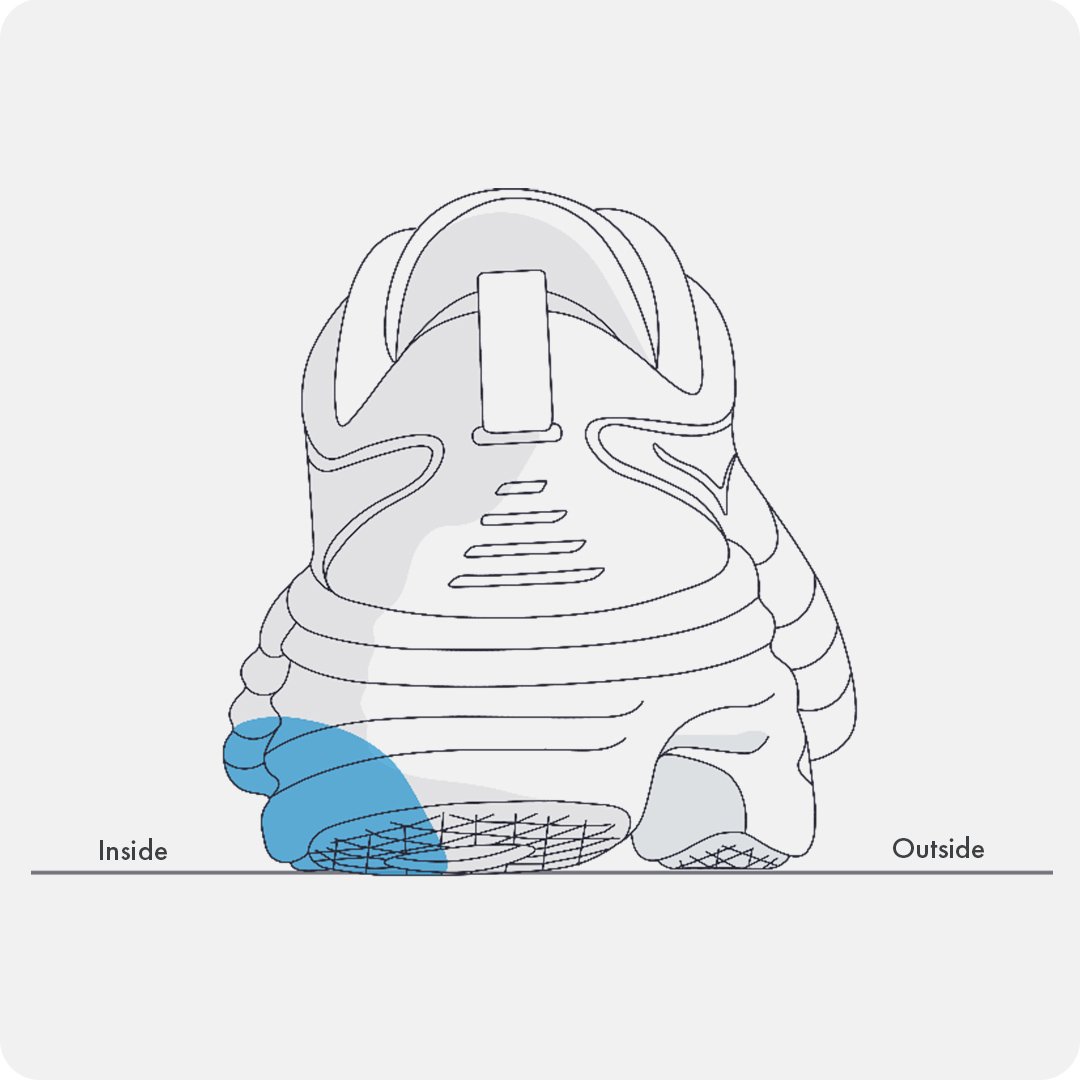
OVERPRONATION
If you land on the outside of the heel and roll inwards to place weight on the inside of the foot, you’re likely to have overpronation when running and walking. Runners with flatter feet or low arches are more likely to overpronate and have overpronation wear on shoes. If you overpronate it is crucial that you find suitable running trainers. Often shoes with added stability will help prevent your foot from rolling too far inward, mitigating the chance of discomfort and injury.
HOW DO I FIND OUT MY PRONATION STYLE?
The good news is you don't need any complicated methods or specialist equipment to work out your natural pronation style and therefore which HOKA running shoes are best for you. We've outlined two of the most common pronation tests: The wear test and the wet test. Below we've outlined two of the most common pronation tests: the wear test and the wet test. Read on to find out more.
These quick methods should give you an idea of what type of support you might need from your running shoes; however if in doubt it is always a good idea to get a professional running gait analysis done at a specialist running store.